Design
The Evolution of Automotive HMI: Driving Into the Future
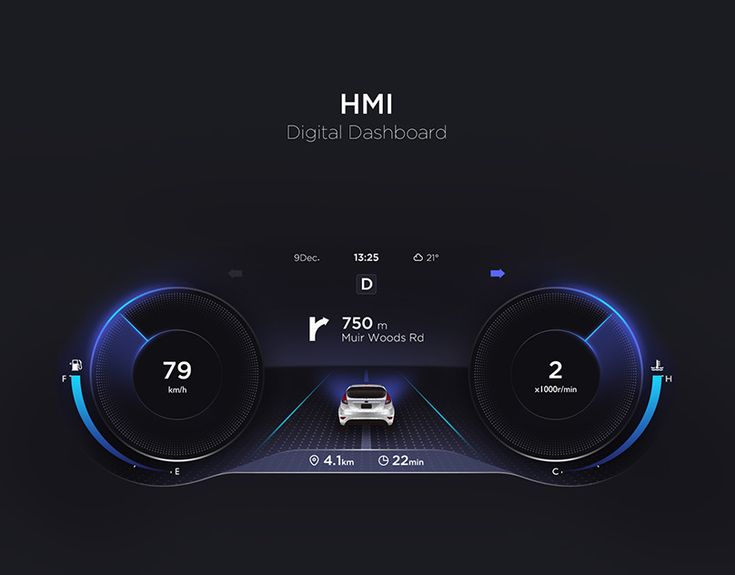
Automotive Human-Machine Interface (HMI) has evolved dramatically over the past few decades. As vehicles become more technologically sophisticated, the way drivers and passengers interact with them has transformed.
Tesla, for instance, has been a pioneer in redefining HMI. Its dashboard is dominated by a large touchscreen, replacing a plethora of knobs and buttons. This screen, combined with voice recognition, offers an intuitive interface, allowing drivers to control everything from navigation to climate with ease.
The future beckons more innovation, especially with the advent of autonomous vehicles. Voice and gesture controls, augmented reality windshields, and AI-driven personal assistants will become commonplace. For example, Mercedes-Benz's MBUX (Mercedes-Benz User Experience) showcases an intuitive, voice-controlled interface that can learn a user's preferences over time.
As we move towards a future where the car becomes a connected living space rather than just a means of transport, the HMI will play a pivotal role in enhancing safety, convenience, and entertainment.
25.01.2023